
Neurodivergence is everywhere right now.
It’s in social media posts, podcast conversations, comment sections, and casual conversations — often in ways that feel both validating and confusing at the same time.
A lot of people are quietly wondering: Is this actually describing me… or am I just overwhelmed?
Pop culture has opened the door to important conversations about attention, sensory sensitivity, emotional regulation, and social energy. At the same time, the speed of online content can flatten complex experiences into quick explanations that don’t always tell the whole story.
If you’ve been relating to neurodivergent content but also feeling unsure what it means for you, you’re not alone.
Why Neurodivergence Is Everywhere Right Now
Pop culture tends to amplify conversations people were already having quietly.
Many teens and adults have spent years feeling distracted, overstimulated, socially drained, or like they have to work harder than others just to keep up. Seeing language for those experiences can feel like a relief.
At the same time, today’s world is genuinely overwhelming. Constant notifications, pressure to perform, and very little rest can make any nervous system struggle.
That’s part of why so many people see themselves in this content — and why it can be hard to know what’s actually driving the experience.
What Neurodivergence Means (Beyond Social Media)
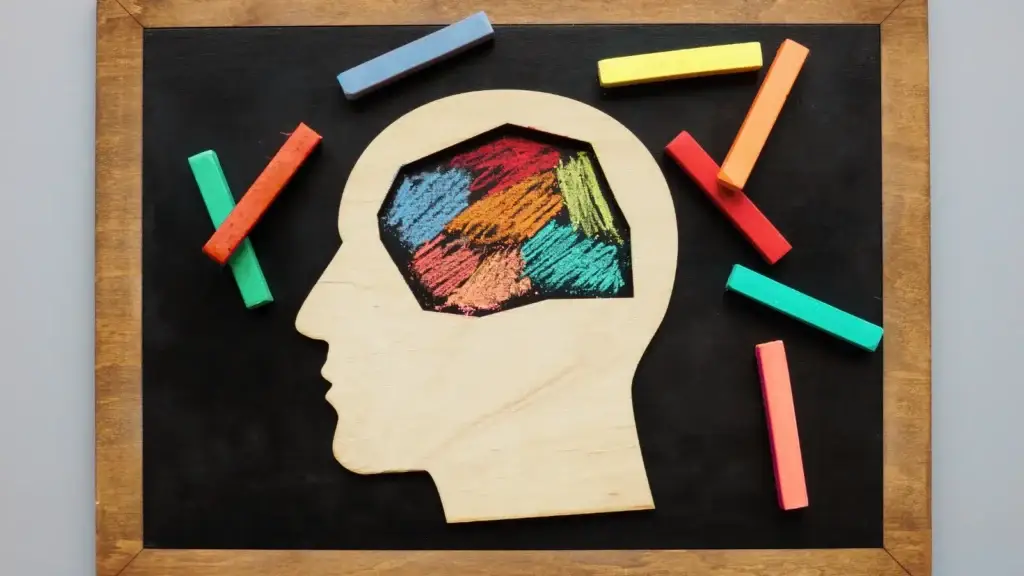
Neurodivergence is an umbrella term used to describe brains that work differently from what’s considered neurotypical. This can include ADHD, autism, learning differences, and other variations in how people process information and interact with the world.
In real life, neurodivergence:
- looks different from person to person
- exists on a wide spectrum
- overlaps with anxiety, trauma, and burnout
- is shaped by environment, stress, and support
It’s also important to name that chronic stress can affect attention, memory, emotional regulation, and sensory tolerance — sometimes in ways that closely resemble neurodivergent traits.
The American Psychological Association offers a helpful overview of how stress impacts the brain and body here: https://www.apa.org/topics/stress
How Pop Culture Helps — and Where It Gets Messy
Pop culture has absolutely helped reduce stigma. Seeing people talk openly about ADHD and autism has helped many feel less alone.
At the same time, social media doesn’t leave much room for nuance.
Helpful? Yes.
Complete? Not usually.
Online, it’s common to see:
- broad symptom lists without context
- “If this resonates, you’re neurodivergent” messaging
- anxiety, trauma, and neurodivergence blurred together
- pressure to label yourself quickly
This can leave people feeling informed one moment — and more confused the next.
Why This Conversation Resonates With So Many People
This topic often resonates because a lot of people feel like something has always been a little harder than it “should” be.
You might relate if:
- focus feels inconsistent or exhausting
- sensory input wears you down
- social situations require a lot of effort
- you mask or over-adjust to fit in
- stress makes everything feel heavier
These experiences don’t automatically point to one explanation. They can be influenced by neurodivergence, anxiety, trauma, burnout — or a combination of factors.
That’s why slowing the conversation down matters.
What’s Often Missing From Online Conversations
What pop culture rarely shows is the process of understanding yourself.
Real clarity usually involves:
- looking at lifelong patterns, not just recent stress
- reflecting on how school, work, and relationships have felt over time
- separating coping strategies from core traits
- understanding how anxiety or trauma may be amplifying symptoms
This kind of exploration doesn’t happen in comment sections. It usually happens through conversation, reflection, and support.

You Don’t Need a Label to Deserve Support
One important thing to say clearly: you don’t need a label to deserve support.
If you’re struggling with focus, sensory overwhelm, emotional regulation, or social stress, those experiences matter on their own. Therapy isn’t about forcing an identity — it’s about understanding patterns and finding ways to make daily life feel more manageable.
If adult attention challenges are part of what you’re noticing, you may find this related article helpful: https://renewedwellnesscounseling.com/out-of-focus-adult-adhd/
How Therapy Can Help Clarify (Not Confuse)

Working with a licensed therapist offers something pop culture can’t: nuance.
In therapy, there’s room to slow things down — to explore what’s been consistent over time, what shows up under stress, and what actually helps. There’s no pressure to arrive at a label quickly.
If you’d like to learn more about our therapists and approach, you can meet our team here: https://renewedwellnesscounseling.com/about/
Frequently Asked Questions
Does relating to neurodivergent content mean I’m neurodivergent?
Not necessarily. Many experiences overlap between neurodivergence, anxiety, trauma, and chronic stress. Relating to content can be a starting point for curiosity, not a diagnosis.
Is self-diagnosis harmful?
Self-reflection can be helpful, but without context it can also create confusion or unnecessary pressure. Professional support can help sort through what’s actually going on.
Can therapy help even if I’m not sure what label fits?
Yes. Therapy focuses on understanding patterns and building support — not forcing a label.
Do you work with teens as well as adults?
Yes. We support teens and adults navigating anxiety, trauma, sensory overwhelm, and social stress.
A Gentle Next Step
At Renewed Wellness Counseling, we support teens and adults navigating anxiety, trauma, sensory overwhelm, attention challenges, and questions about how their brain works.
We’re based in New Bern, NC, and we also offer virtual therapy across North Carolina, South Carolina, and Virginia.
If you’d like a space to explore these questions thoughtfully — without pressure to label yourself quickly — you’re welcome to learn more about our team here: https://renewedwellnesscounseling.com/about/
If you’re ready to take the next step, you can book a consultation here: https://marcy-arnold.clientsecure.me
For additional education and support resources, NAMI also offers helpful information here: https://www.nami.org/Your-Journey/Individuals-with-Mental-Illness